

Leadership
Christina D. Chambers, PhD, MPH
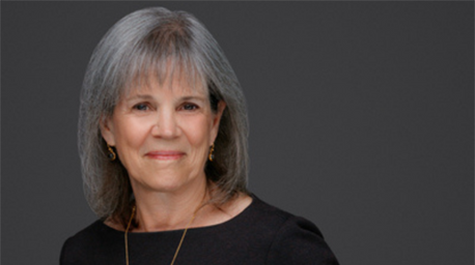
Dr. Chambers is Chief of the Division of Environmental Science & Health, a Professor in the Department of Pediatrics, and Family and Preventative Medicine at the University of California, San Diego School of Medicine, and co-Director of the Center for Better Beginnings. She is also Clinical Professor in the Skaggs School of Pharmacy and Pharmaceutical Sciences at UCSD, Vice Chair of Clinical Research in the UCSD Department of Pediatrics, Director of the UCSD CTRI Center for Life Course Research, and Director of Clinical Research at Rady Children’s Hospital-San Diego.
Dr. Chambers is a perinatal epidemiologist specializing in the area of environmental causes of adverse pregnancy outcomes, birth defects, and childhood disabilities, with a special focus on human teratogens (environmental agents that cause birth defects or other adverse prenatal outcomes). She is currently conducting research on the prevention of alcohol related birth defects, the safety in pregnancy of several new medications used for the treatment of maternal health conditions, and the safety of vaccines during pregnancy. Dr. Chambers serves as an advisor to national and international organizations such as the National Institutes of Health (NIH), the Food and Drug Administration (FDA), the Centers for Disease Control and Prevention (CDC), and the World Health Organization (WHO).
Gretchen Bandoli, PhD
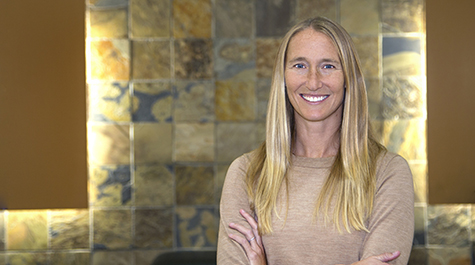 Dr. Bandoli is an Assistant Professor in the Center for Better Beginnings at the University of California, San Diego. Dr. Bandoli earned her PhD in Epidemiology at the University of California, Los Angeles in 2015, where her research and training focused on pediatric and perinatal epidemiology and epidemiologic methods. Dr. Bandoli completed a postdoctoral fellowship in the Center for Better Beginnings, and was the recipient of a NIH TL1 fellowship, where she researched maternal psychological health and neurodevelopment in the offspring.
Dr. Bandoli’s research primarily focuses on maternal exposures in pregnancy, including mental illness, medications, and alcohol and adverse outcomes in the offspring. She is particularly interested in ways to refine exposure assessment, primarily through statistical methodologies or inclusion of biomarkers. She is also an Associate Director in the Center for Life Course Research at UCSD, and teaches a graduate level course on life course research.